
Malta holiday package: a practical guide
A Malta holiday package is a single booking that bundles your flights, airport transfers and accommodation, sometimes meals and excursions too, into one price. Done right, it saves you money and planning time. Done wrong, you pay for a resort you never leave and a beach that isn't there.
Here's the thing most first-timers get wrong: they picture Malta as a beach island. It isn't, really. The coastline is rocky, the swimming happens off ladders and platforms, and the best of the island sits inland, in Valletta's grid of limestone streets, in the silent lanes of Mdina, in the fishing villages on the north coast. Choose a package built around a beach resort and you've booked the wrong holiday.
This guide walks through what a package actually contains, where to stay, when to go, and the one cost that decides whether you save money or lose it. That last one comes up below, it's the part agents rarely spell out.
What's actually inside a Malta holiday package
Most packages to Malta include flights, a hotel or apartment, and a transfer from Malta International Airport. That's the baseline. Everything beyond it is optional and priced separately, and this is where packages start to differ wildly.
Check these five items before you compare prices, because a cheap headline rate often excludes two or three of them:
- Baggage. Many low-cost packages include cabin bags only. A 20 kg (44 lb) checked bag can add a real amount per person each way.
- Transfers. Shared shuttle or private taxi? Shared shuttles can take over an hour if your hotel is last on the route.
- Meal basis. Room only, bed and breakfast, half board, or all inclusive, four very different holidays at four very different prices.
- Airport and city taxes. Malta charges an eco contribution on accommodation, typically a small amount per person per night, capped at a maximum per stay. Confirm who pays it.
- Excursions. Some packages bundle a Gozo day trip or a harbor cruise. Others list them as "available" and charge on arrival.
Read the inclusions line by line. A package that looks 15% cheaper usually is, minus the bag, the transfer and the breakfast.
Where to stay: matching area to trip type
The area you pick matters more than the hotel star rating, because Malta is small and transport is slow in summer. A 20-minute drive in winter becomes 50 minutes in July traffic.
| Area | Best for | Swimming | Evening scene | Typical package tier |
|---|---|---|---|---|
| St Julian's / Sliema | Nightlife, restaurants, city breaks | Rocky lidos, pools | Busy, late | Mid to high |
| Valletta | Culture, short breaks, walking | Limited | Good food, quiet late | Mid to high |
| Bugibba / Qawra | Budget family stays | Rocky, popular | Lively, casual | Budget to mid |
| Mellieha / Golden Bay | Actual sandy beaches | Best on the island | Quiet | Mid to high |
| Gozo (Victoria, Xlendi) | Slow pace, diving, hiking | Small coves | Very quiet | Mid |
If you want sand, Mellieha and Golden Bay in the north are your answer. If you want to walk out of your door into a restaurant at 10 p.m., stay in St Julian's. If you're traveling with mobility needs, check step-free access before booking, Malta's older towns are full of stairs and uneven limestone, and a disabled holiday apartment directory is a faster starting point than a hotel's marketing photos.
One area to think twice about: the immediate streets around Paceville. It's the loudest part of the island, and a "St Julian's" package can land you right in the middle of it.
Most of Malta's coastline is rock and ladders, not sand, worth knowing before you book a "beach" package.
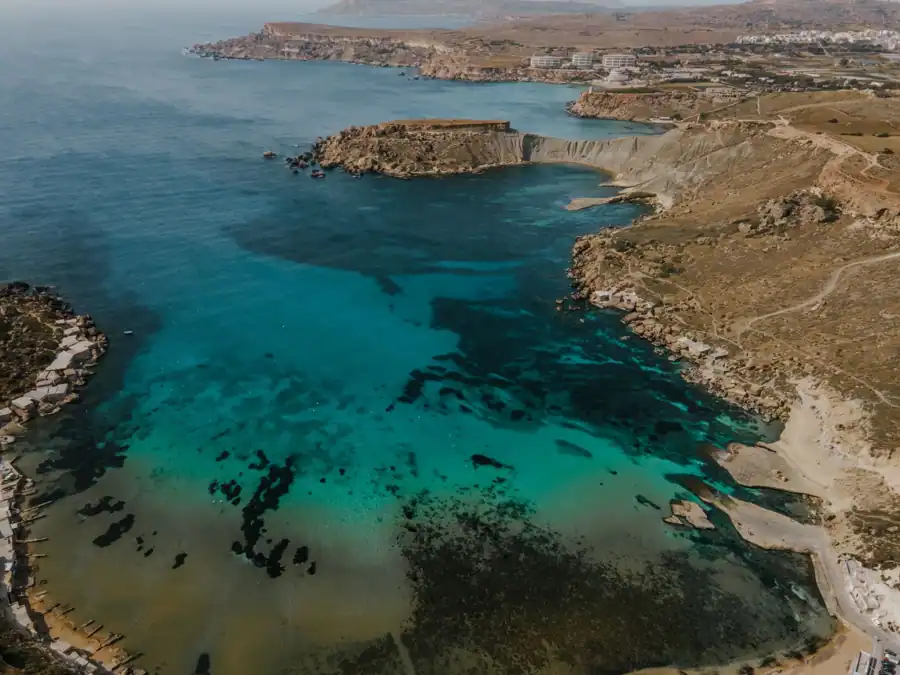
Photo: Polina ⠀ · Pexels
All inclusive or self-catering?
All inclusive in Malta is usually not the money-saver it is in Turkey or Egypt. Maltese food is one of the island's real strengths, rabbit stew, pastizzi from a corner shop, fresh fish in Marsaxlokk, and an all-inclusive wristband locks you out of most of it.
Self-catering works well here for a simple reason: groceries are reasonably priced, buses are cheap, and apartment rentals give you space a hotel room doesn't. If you're traveling as a family or a group, a villa or apartment package often beats a hotel on both cost and comfort. Booking the accommodation directly rather than through a middleman can cut the price further, the same principle that applies when you rent your holiday property for less.
Choose all inclusive if you want zero decisions and you're staying somewhere with a good pool and a decent kitchen. Choose self-catering if you plan to eat out. Most people who split the difference, bed and breakfast plus dinners out, end up happiest.
The best months to book
May, June, September and October give you warm sea, working ferries to Gozo and prices well below peak. July and August are hot, crowded and expensive, with daytime temperatures that make sightseeing genuinely hard work.
Winter is the bargain window. Expect mild days, occasional rain and a much quieter island, but also some boat trips and seasonal restaurants shut until spring. If you're coming for diving, hiking or a long-stay rental rather than swimming, winter is excellent value.
Book flights and packages for summer roughly three to five months ahead. Late bookings in August rarely get cheaper; they just get worse rooms.
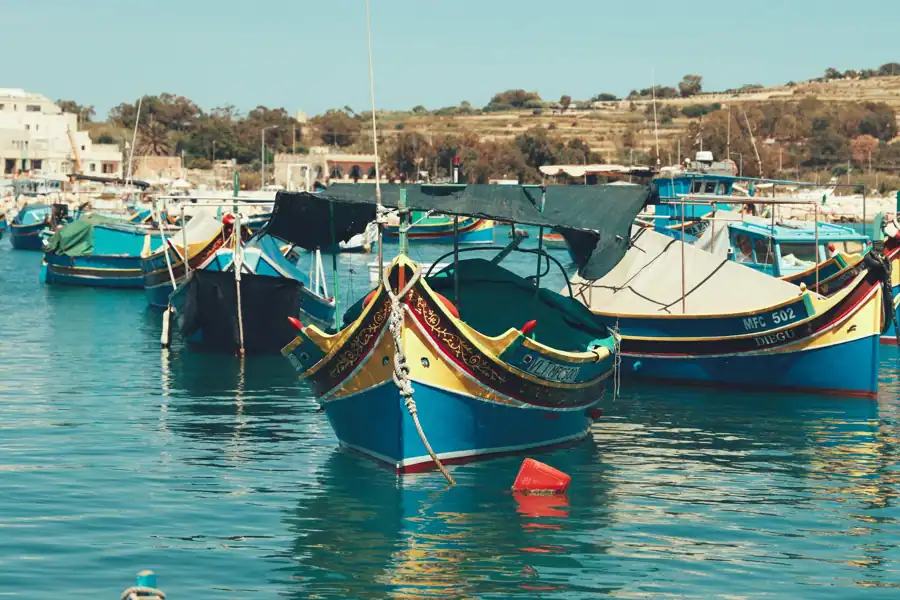
Photo: Efrem Efre · Pexels
What a package costs and where the savings hide
The deciding factor in whether a Malta holiday package saves you money isn't the headline price. It's how much of the trip is already covered.
A package that includes a checked bag, a private transfer, breakfast and a central location can cost more upfront and still be the cheaper holiday. A rock-bottom rate with cabin bags only, a shared shuttle and a hotel 40 minutes from anywhere isn't a deal, it's a deposit on extra spending.
So compare like for like. Add the bag, the transfer, the breakfast and the local transport to the cheap option, then compare the totals. That's the number that matters.
Two more practical notes. First, Malta's bus network is extensive and inexpensive, but journey times in summer are long; if you're basing yourself in one area and staying put, you'll spend less. Second, if you're renting out your own place while you're away, a little prep beforehand saves real hassle, the same logic as these tips to make house cleaning easier before guests arrive.
Common mistakes and how to avoid them
Most disappointing Malta holidays trace back to one of five booking errors. All of them are avoidable with ten minutes of checking.
- Booking for the beach. Malta has few sandy beaches. If sand is essential, book Mellieha or Golden Bay specifically, not "Malta" generally.
- Ignoring the transfer time. A cheap hotel far from your plans means hours on buses. Check the real distance on a map, not the "minutes from the beach" line.
- Assuming all inclusive means good value. In Malta it usually means eating hotel food while the island's best restaurants sit a bus ride away.
- Traveling in August without planning for heat. Sightseeing in Valletta at midday in August is exhausting. Go early or go in a shoulder month.
- Skipping the small print on taxes and deposits. Eco contributions, city taxes and refundable deposits are common and rarely in the headline price.
If something in the listing looks vague, "near the sea", "central location", treat it as unverified until you've checked it on a map.
FAQ
What is the best time of year to go to Malta?
May, June, September and October. You get warm sea, reliable weather and lower prices than July and August. Winter is cheapest but quieter, with some seasonal businesses closed.
Which is the nicest part of Malta to stay in?
For most visitors, St Julian's and Sliema for restaurants and nightlife, Valletta for culture and walking, and Mellieha or Golden Bay for actual sandy beaches. Gozo suits anyone wanting a slower pace.
Is Malta cheap to go on holiday?
It's mid-range for the Mediterranean. Flights and hotels are affordable outside peak season, local buses are cheap, and food ranges from very cheap pastizzi to high-end restaurants. July and August push prices up sharply.
Is it worth going all inclusive in Malta?
Usually only if you want zero planning and your hotel has good facilities. Malta's food scene is a highlight, and all inclusive tends to keep you inside the resort rather than out exploring.
Where should I avoid staying in Malta?
Avoid the immediate Paceville area if you want quiet nights, and be cautious with any listing that's cheap because it's far from the places you actually plan to visit.
Which is nicer, Malta or Cyprus?
They suit different trips. Cyprus has bigger sandy beaches and more resort-style holidays. Malta has denser history, walkable cities and better value outside peak season. Pick Cyprus for beach time, Malta for culture and short breaks.
More on the site
- Travel Guides
- Malta
- Currency of Malta
- About Malta
Read next
Villa holiday rentals Spain — what to know before you book
Book the villa for the people, not the photos. A private pool, a 2-3 hour flight from the UK and a week of self-catering in the sun sounds simple, but…
Greece holiday islands — what to know before you book
Greece has over 200 inhabited islands, and the one you pick decides almost everything about your trip, the price, the crowds, the beaches and how much…
Where to stay in Florence, Italy
Florence rewards travellers who pick the right base. The historic centre is compact enough to cross on foot in about half an hour, but the difference …