
Malaga, Spain: areas and holiday rentals worth booking
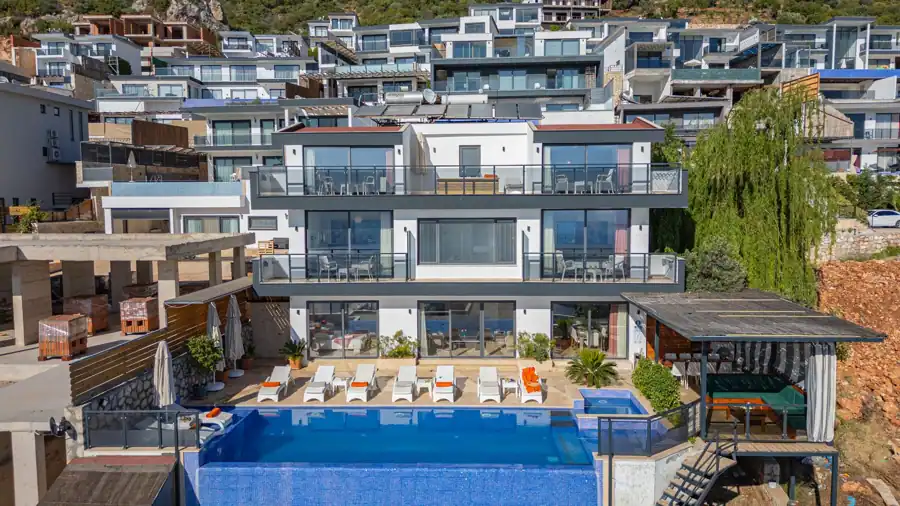
Malaga works as both a city break and a beach base, and the two are only about 15 minutes apart by transfer from the airport to the centre. That is the single fact that shapes every booking decision here: you can sleep in a quiet residential barrio and still be on La Malagueta beach or in a tapas bar in the old town within a short walk or bus ride. The city sits on the Costa del Sol in Andalusia, on the left bank of the Guadalhorce, with the historic core squeezed between Gibralfaro Hill and the Guadalmedina river. With around 592,000 residents it is the second-largest city in Andalusia, which means it has a working year-round life rather than a resort that empties out in November.
Which part of Malaga is best to stay in
The honest answer is that it depends on whether you want a holiday Malaga Spain trip built around the beach, the old town, or a mix. Four areas cover almost every booking.
Centro Histórico and La Malagueta. The old town puts the Picasso Museum, the cathedral and the tapas streets within walking distance, and La Malagueta is a long urban beach close to the centre, good for swimming and sunbathing. Apartments here cost the most and can be noisy at night, but you save on taxis and time.
Soho and the port. Just south of the old town, this is where the Centre Pompidou Málaga sits, along with the waterfront promenade. Slightly cheaper than the historic core, still walkable to everything, and a good compromise for a first visit.
Pedregalejo and El Palo. Former fishing barrios to the east, with a string of small coves and chiringuitos. Quieter, more local, and popular with families and anyone staying a week or more. Buses run into the centre regularly.
Teatinos and the area around the university. Residential, cheap, and genuinely useful only if you have a car or a specific reason to be there. It is not a holiday area in any meaningful sense.
Where to avoid staying in Malaga
There is no district in the city that is dangerous for a normal holiday, but some choices are simply poor value for a short trip.
The western outskirts and the industrial belt towards the airport have little to offer a visitor: no beach worth the name, few restaurants, and a bus or train ride between you and anything you came to see. The same goes for accommodation marketed as "Malaga" that actually sits in a neighbouring municipality several kilometres out. Check the map pin before you book, not the listing title.
Two more practical warnings. First, anywhere directly on the main nightlife streets of the old town will be loud until the early hours, which matters if you are travelling with children or light sleepers. Second, in high summer the cheapest listings are often the ones without air conditioning. In July and August that is not a minor detail.
Best month to go
Late spring and early autumn are the sweet spot. May, June, September and October give you warm sea, comfortable walking temperatures and prices well below the August peak. August itself is the busiest and most expensive month, and the city fills with Spanish domestic holidaymakers, which is part of the appeal if you want atmosphere and a drawback if you want space.
Winter is mild enough for sightseeing and the museums are quiet, but this is not beach weather. If your holiday Benalmadena Spain plans or any Costa del Sol beach time is the priority, aim for June to September. If culture and food are the priority, the shoulder months beat both.
Is 3 days enough
Three days is enough for the city itself, comfortably. A realistic split: one day for the Alcazaba and Gibralfaro with the panoramic views over the port, one day for the Picasso Museum, the Centre Pompidou and the old town on foot, and one day on La Malagueta or out at the eastern beaches. Add an evening or two in the tapas bars and that is a full city break.
What three days does not cover is the wider province. Benalmádena, Nerja, Ronda and the white villages each need their own day, and trying to bolt them onto a three-day trip means spending most of it in transit. If you want both city and coast, book five to seven nights and treat Malaga as the base.
Is Malaga cheap or expensive
Compared with Seville, Malaga is broadly similar on accommodation and slightly cheaper on food and drink, though Seville has the stronger monumental centre and Malaga has the sea. Compared with Madrid or Barcelona, both are cheaper. Compared with the smaller Costa del Sol resorts, central Malaga apartments cost more but you get a real city around you.
The pattern that catches people out is seasonality rather than the city itself. Accommodation in August can cost several times what the same flat costs in February, so a Malaga holiday in peak summer is not a budget destination. Food, transport and museum tickets stay reasonable year-round. Book flights and apartments early for summer, or shift to June or September and get noticeably more for the same money.
Choosing between a city flat and a coastal base
If you want the museums, the food and the old town, stay in the city. If you want a pool, a quieter beach and a resort rhythm, look at Benalmádena and the other coastal towns, which are reachable from Malaga by train and bus. Many people split the stay: a few nights in the centre, then a week on the coast. That works well because the airport sits between the two.
For villas and larger apartments, the eastern side of the city and the coastal strip beyond it give more space for the money than the historic core. For a couple on a city break, a one-bedroom flat in Soho or near La Malagueta is usually the better trade.
FAQ
Where should I not stay in Malaga?
Avoid the industrial and residential outskirts to the west, and be sceptical of any listing that says "Malaga" but sits in a neighbouring town several kilometres away. Also think twice about flats directly on the main nightlife streets if you sleep lightly, and about anywhere without air conditioning in July or August.
Which is the best area to stay in Malaga?
For a first visit, the historic centre or Soho, both walkable to the Picasso Museum, the port and La Malagueta beach. For a longer, quieter stay with children, Pedregalejo and El Palo to the east are better value and more local in feel.
What is the best month to visit Malaga?
May, June, September and October. You get warm sea and comfortable temperatures without the August crowds and peak prices. August is the liveliest and most expensive month, while winter suits sightseeing but not swimming.
Is three days enough in Malaga?
Yes, for the city. Three days covers the Alcazaba, Gibralfaro, the museums, the old town and a beach day. It is not enough to add Benalmádena, Nerja or Ronda without spending most of your time travelling.
The short version
Base yourself in the historic centre or Soho for a first city break, and in Pedregalejo or El Palo if you want a quieter beach stay with more space. Go in June or September rather than August, and give the city three days before you add the coast. Check the map pin and the air conditioning before you book, and treat any listing that only says "Malaga" with suspicion until you know exactly where it is.
More on the site
- Travel Guides
- About Spain
- Climate of Spain
- Culture in Spain
Read next
Holiday rentals north Wales — what to know before you book
Book early, check the parking, and pick your base by what you'll actually do, not by the prettiest photo. Holiday rentals north Wales range from rough…

A practical guide to holiday rentals in Protaras
Is Protaras a good base for a holiday in Cyprus? Protaras sits on the south-eastern shore of Cyprus , roughly 10 km north of Ayia Napa, and it grew fr…
Holiday rentals in anglesey — what to know before you book
What to know before you book a holiday rental in Anglesey Anglesey is an island, but not a small one. It is around 70 miles of coastline wrapped aroun…