Holiday Villas to Rent in Lanzarote
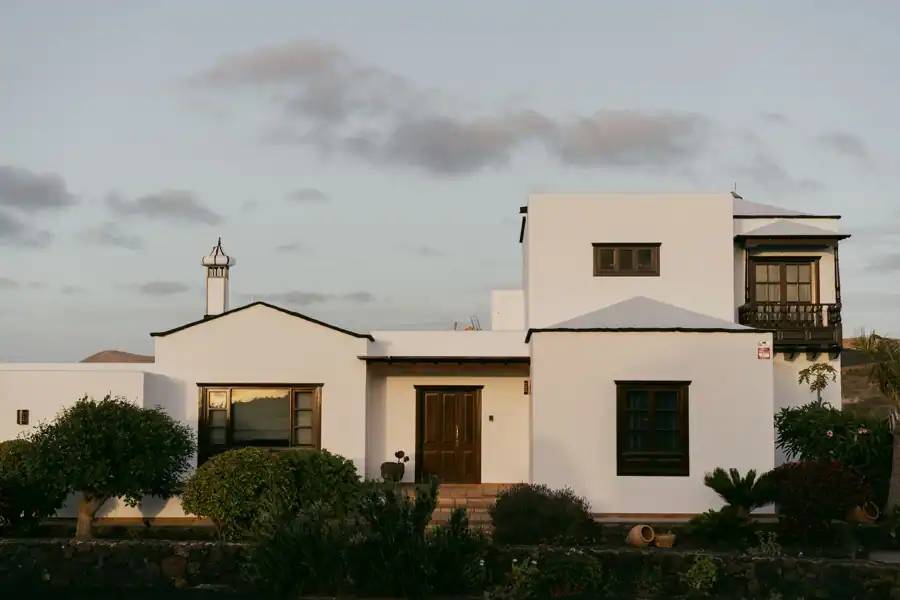
Lanzarote

Sanddancer
Passionate About...

Lets Do Business

|
Search for Different Holiday
Property in Lanzarote
General: Lanzarote was probably the first Canary Island to be settled. The Phoenicians settled there around 1100 BC. The Greek writers and philosophers Herodotus, Plato and Plutarch described the garden of Hesperis, the land of fertility where fruits and flowers smell in the part of the Atlantic. The first known record came from Pliny the Elder in the encyclopedia Naturalis Historia on an expedition to the Canary Islands. The names of the islands (then called Insulae Fortunatae) were recorded as Canaria (Gran Canaria), Ninguaria (Tenerife), Junonia Mayor (La Palma) and Capraria (El Hierro). Lanzarote and Fuerteventura were only mentioned as an archipelago. After the fall of the Roman Empire, the Canary islands became abandoned until 999 AD when the Arabs arrived to the island and was known as al-Djezir al-Khalida and other names. In 1336, a ship from Lisbon under the guidance of Lanzarote da Framqua, alias Lancelotto Malocello. A fort was later built in the area of Montaña de Guanapay near today's Teguise. Jean de Béthencourt arrived in 1402 on a private expedition to the Canary Islands and brought slavery to the island as well as raw materials. Bethencourt first visited the south of Lanzarote at Playas de Papagayo. In 1404, the Spaniards with the support of the King of Spain came and fought against a rebellion among the local Guanches. The islands of Fuerteventura and El Hierro were later conquered. In the 17th century, pirates raided the island and took 1,000 inhabitants to slavery in Cueva de los Verdes. From 1730 to 1736 (for 2,053 days), the island was hit by a series of volcanic eruptions, creating 32 new volcanoes in a stretch of 18 km. The minister of Yaiza Don Andrés Lorenzo Curbelo documented the eruption in detail until 1731. Lava covered a quarter of the island's surface, including the most fertile soil and eleven villages. One hundred smaller volcanoes were located in the area called Montañas del Fuego. In 1768, drought affected the island and winter rains did not fall. Much of the population was forced to emigrate to Cuba and the Americas. Another volcanic eruption occurred within the range of Tiagua in 1824 which was not as bad as the major eruption between 1730 and 1736. In 1927, Lanzarote as
well as Fuerteventura became part of the province
of Las Palmas. Currency: EURO - The euro is divided into 100 cent. All coins can be used in all member states. There are €2, €1, 50c, 20c, 10c, 5c, 2c and 1c coins. All euro banknotes have a common design for each denomination on both sides. Notes are issued in the following values: €500, €200, €100, €50, €20, €10, €5. Language: SPANISH - Spanish the fourth most widely spoken language in the world according to some sources, while other sources list it as the 2nd or 3rd most spoken language. It is spoken as a first language by about 352 million people. Country Code: ES - Tel: +34 |
| Information
from Wikipedia, the free encyclopedia. Click Here> |
Read next
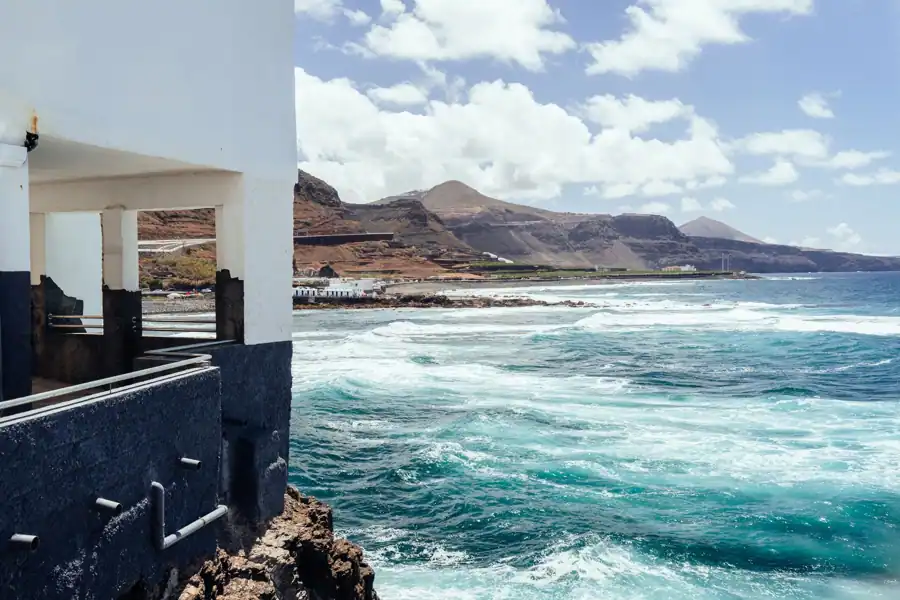
Canary Islands
Lanzarote Sanddancer Passionate About... Lets Do Business Holiday Property to Rent in the Canary Islands Tenerife, Fuerteventura and Lanzarote Click o…
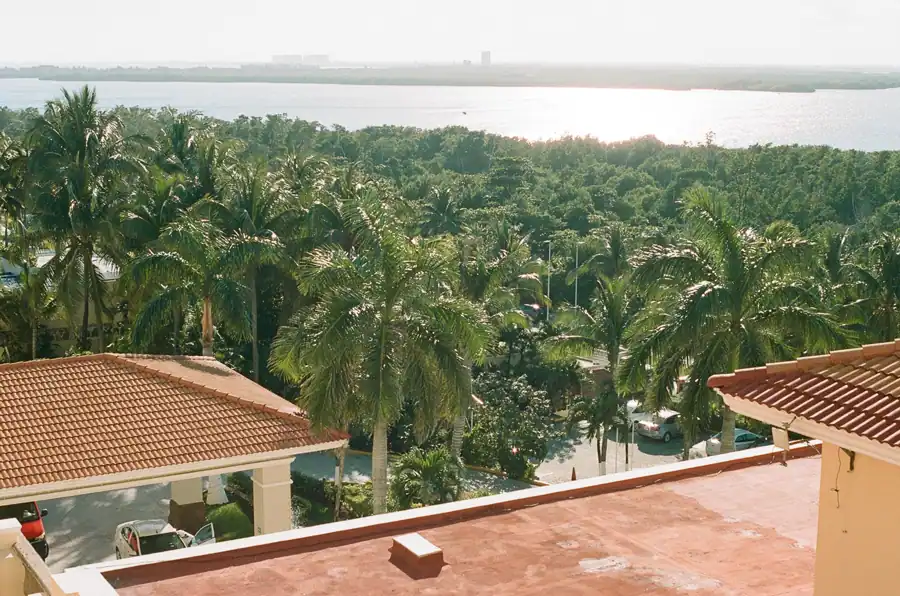
Cuba
Lanzarote Sanddancer Passionate About... Lets Do Business Holiday Property to Rent in Cuba Click on the type of holiday property in Cuba you would lik…
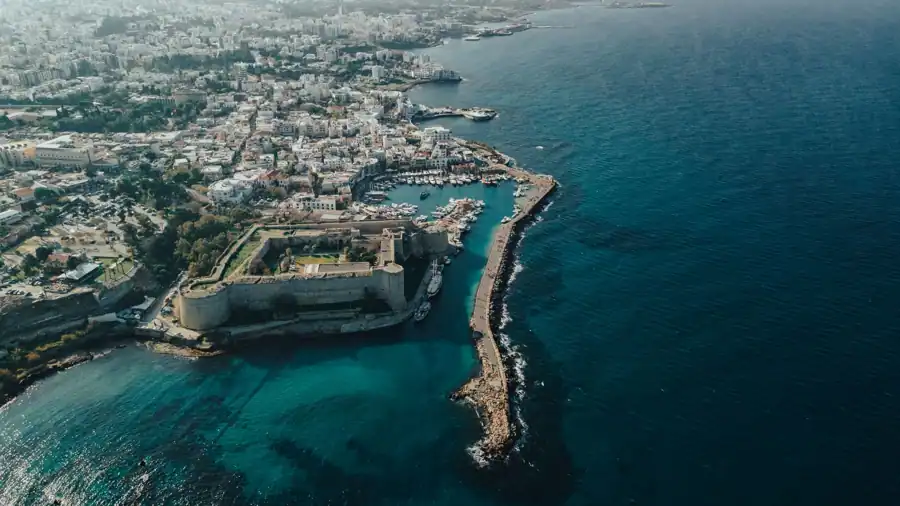
Cyprus
Lanzarote Sanddancer Passionate About... Lets Do Business Holiday Property to Rent in Cyprus Click on the type of holiday property in Cyprus you would…